

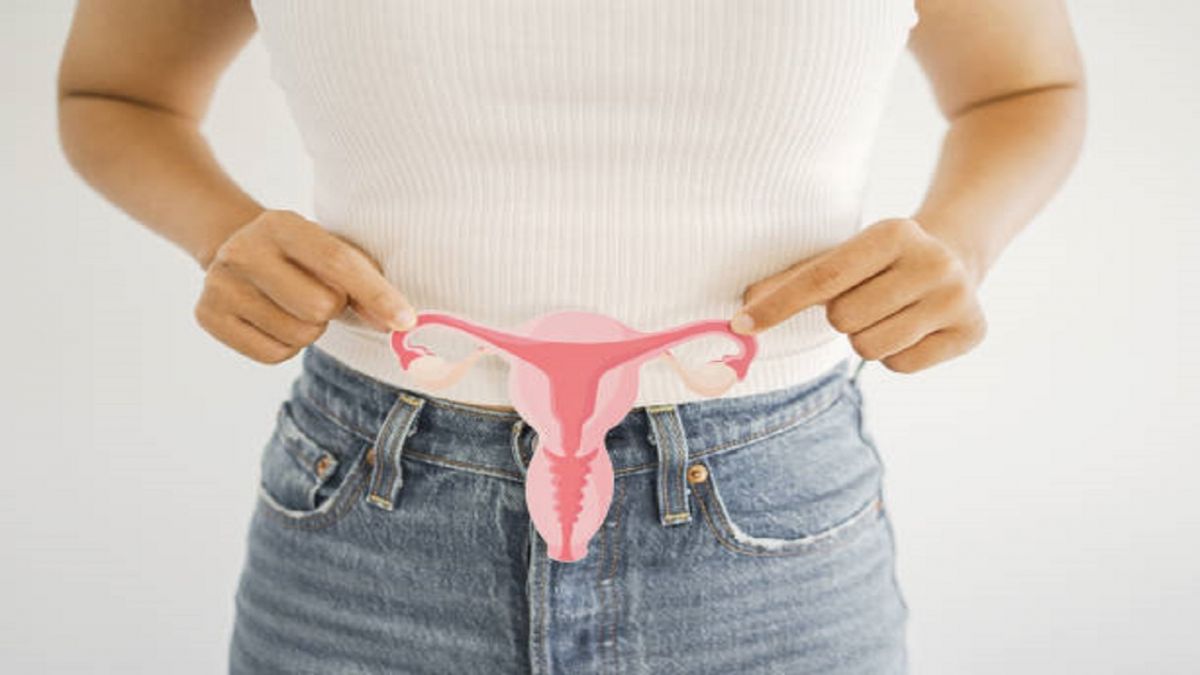
How to Reduce PCOS Symptoms Naturally Using a Functional Medicine Strategy
Polycystic Ovary Syndrome (PCOS) affects millions of women, yet no two women experience it the same way. Symptoms like irregular periods, acne, weight gain, fatigue, and hair changes often feel overwhelming, and many women want options beyond medications alone.
A functional medicine approach provides a more comprehensive and personalized strategy. Instead of masking symptoms, it identifies the root causes behind hormone imbalances, allowing you to support your body naturally and improve your overall well-being.
Below is a clear and practical guide to reducing PCOS symptoms using functional medicine principles that you can start applying today.
Understanding PCOS Through a Functional Medicine Lens
Functional medicine views PCOS as a whole-body condition influenced by several interconnected systems, including:
- Blood sugar and insulin regulation
- Inflammation levels
- Gut health
- Stress and cortisol balance
- Thyroid and adrenal function
This holistic view helps uncover what’s driving your symptoms rather than focusing on PCOS as a single diagnosis.
By supporting these systems naturally, many women experience improved cycles, clearer skin, better energy, and easier weight management.
1. Balance Blood Sugar to Reduce PCOS Symptoms
Insulin resistance is one of the most common root causes of PCOS. When insulin levels remain high, it increases androgen production, leading to acne, excessive hair growth, irregular menstrual periods, and weight gain.
Functional Medicine Strategies:
- Build meals around protein, fiber, and healthy fats
- Reduce refined carbohydrates and sugary snacks
- Try balanced eating windows rather than extreme dieting
- Move after meals to improve glucose uptake
- Add magnesium, inositol, or chromium (with professional guidance)
Better blood sugar balance often results in more regular cycles and improved hormone symptoms within months.
2. Reduce Inflammation to Support Hormone Balance
Chronic inflammation can worsen PCOS symptoms and contribute to weight gain, mood issues, and fatigue.
Natural Ways to Reduce Inflammation:
- Prioritize whole, unprocessed foods
- Increase omega-3 sources like salmon, chia seeds, and walnuts
- Limit inflammatory oils (soybean, corn, and canola)
- Drink enough water daily
- Add anti-inflammatory spices like ginger and turmeric
When inflammation decreases, the body responds more effectively to insulin, stress, and hormonal fluctuations.
3. Support Gut Health for Better Hormone Metabolism
Your gut influences everything from estrogen balance to the control of inflammation. Many women with PCOS have gut imbalances they don’t know about.
Functional Medicine Gut-Support Tips:
- Eat high-fiber foods to support digestion
- Add fermented foods like yogurt, sauerkraut, or kefir
- Consider probiotics based on individualized testing
- Identify food sensitivities that may worsen inflammation
- Avoid chronic restrictive dieting, which harms gut diversity
A healthier gut enhances metabolism, improves energy levels, and regulates hormone balance.
4. Improve Stress and Cortisol Regulation
Chronic stress can make PCOS symptoms worse by increasing cortisol and disrupting ovulation.
Natural Stress-Regulation Tools:
- Daily walking or gentle movement
- Mindfulness practices or breathing exercises
- Strength training to support metabolic health
- Prioritizing sleep (7–9 hours)
- Setting boundaries to reduce chronic stress load
Balancing cortisol helps stabilize cycles, improve mood, and increase energy levels.
5. Use Targeted Supplements Based on Testing
Functional medicine utilizes advanced laboratory tests to identify nutrient deficiencies and hormonal imbalances, then recommends targeted supplements accordingly.
Common natural supports may include:
- Inositol for blood sugar support
- Vitamin D for hormone balance
- Omega-3 fatty acids for inflammation reduction
- Magnesium for cycle regulation and stress support
- NAC (N-acetyl cysteine) for metabolic and ovarian function
Working with a functional medicine provider ensures supplements match your unique physiology.
6. Personalize Your Nutrition for Your Body
There is no single “PCOS diet.” A personalized approach focuses on metabolism, digestion, hormone needs, and lifestyle.
Functional medicine nutrition typically includes:
- High-protein meals for stable energy
- Colorful vegetables for hormone detoxification
- Slow-digesting carbohydrates like quinoa, sweet potatoes, oats
- Healthy fats that support ovulation
- Consistency over perfection
Personalized adjustments make long-term results more realistic and sustainable.
7. Restore Ovulation With a Whole-Body Hormone Approach
By addressing blood sugar levels, nutrients, gut health, inflammation, and stress, many women experience improvements in ovulation and fertility naturally.
Functional medicine aims to:
- Support healthy ovarian function
- Improve progesterone levels
- Reduce excess androgens
- Create a more predictable menstrual cycle
This helps the body move toward hormonal balance rather than depending solely on symptom management.
Ready to Start a Root-Cause Approach to PCOS?
If you’re tired of temporary fixes or feeling dismissed, a functional medicine strategy can help you understand what’s really driving your symptoms.
Nourish House Calls provides personalized, whole-body care through advanced testing, root-cause evaluation, and tailored treatment plans designed specifically for women with PCOS.
You deserve to feel like yourself again with balanced hormones, steady energy, and long-term metabolic health.
Book your 15-minute discovery call today.
Frequently Asked Questions
1. Can functional medicine actually improve PCOS symptoms?
Yes. By addressing the underlying metabolic and hormonal imbalances, functional medicine can help alleviate symptoms such as acne, weight gain, irregular menstrual cycles, fatigue, and inflammation. Many women see improvements within 8–12 weeks.
2. How long does it take to notice results using natural methods?
Every woman is different, but most begin feeling changes in energy, mood, and cycle predictability within 1–3 months when following a tailored plan.
3. Do I need lab testing to follow a functional medicine strategy?
Testing isn’t required, but it makes treatment more precise and effective. It helps identify nutrient deficiencies, insulin resistance, thyroid or adrenal imbalances, and gut issues that may be affecting your symptoms.
4. Can supplements alone fix PCOS?
Supplements can be beneficial, but they work most effectively in conjunction with a balanced diet, regular physical activity, stress management techniques, and personalized lifestyle support. Functional medicine emphasizes a whole-body approach.
5. Is a functional medicine approach safe if I’m trying to get pregnant?
Yes, in fact, many women use functional medicine to support natural fertility. Balancing insulin, inflammation, and cortisol can improve ovulation and reproductive health.
