

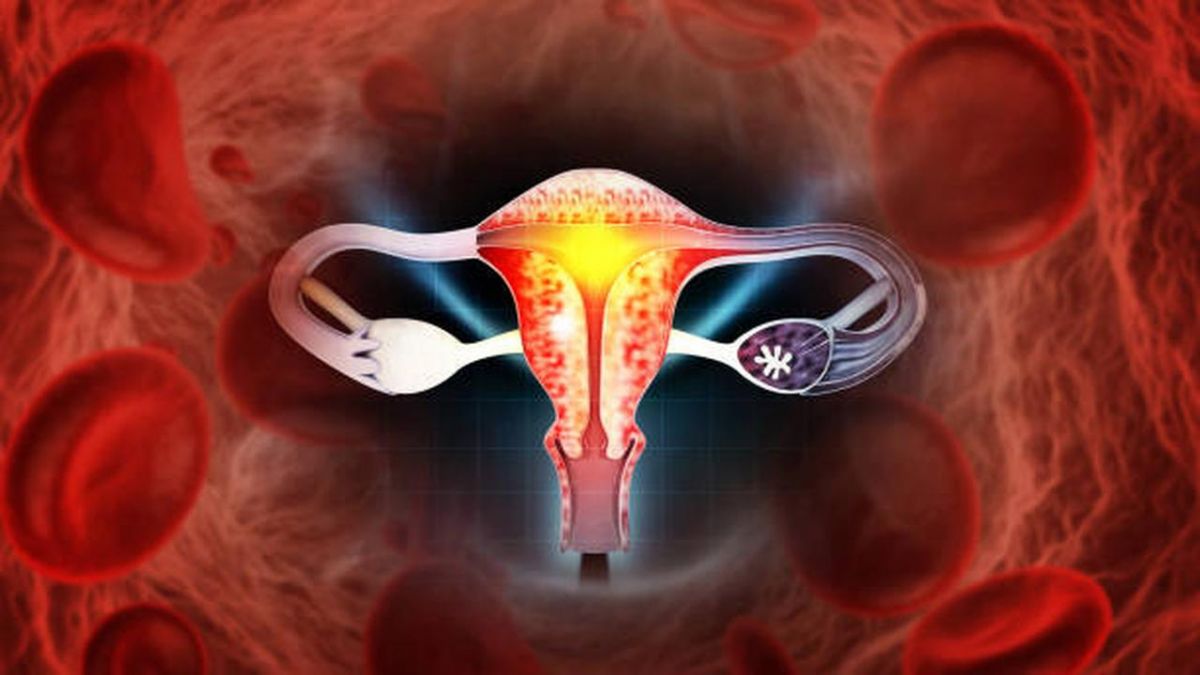
Treatment for Heavy Bleeding During Perimenopause
Heavy or unpredictable menstrual bleeding is one of the most disruptive symptoms many women experience during perimenopause. For some, periods become longer, heavier, or more frequent.
For others, bleeding may include clots or appear unexpectedly after months of regular cycles. While these changes can be alarming, heavy bleeding during perimenopause is often treatable once the underlying causes are correctly understood.
This article explains why heavy bleeding happens during perimenopause, when it becomes a concern, and what treatment options are available to help restore balance and quality of life.
Why Heavy Bleeding Happens During Perimenopause
Perimenopause is the transitional phase leading up to menopause, marked by fluctuating hormone levels. Ovulation becomes less predictable, which directly affects the balance of estrogen and progesterone.
When progesterone levels drop, or ovulation is skipped, estrogen may act unopposed on the uterine lining. This can cause the lining to build up more than usual, leading to:
- Heavier menstrual flow
- Longer periods
- Irregular or frequent bleeding
- Clotting
Other contributing factors may include thyroid dysfunction, stress-related hormone disruption, insulin resistance, nutrient deficiencies, or underlying gynecologic conditions. Understanding the why behind the bleeding is essential before choosing the right treatment.
When Heavy Perimenopause Bleeding Needs Medical Attention
Occasional cycle changes can be normal during perimenopause. However, certain bleeding patterns should always be evaluated. Seek professional evaluation from a qualified healthcare provider if you experience:
- Bleeding that lasts longer than 7 days
- Needing to change pads or tampons every 1–2 hours
- Passing large or frequent clots
- Bleeding between periods
- Bleeding after intercourse
- Symptoms of anemia, such as fatigue, dizziness, or shortness of breath
Proper evaluation ensures that serious conditions are ruled out and that treatment is safe and effective.
Treatment Options for Heavy Bleeding During Perimenopause
Treatment approaches vary based on individual needs and may include medical, hormonal, and integrative strategies focused on restoring balance, rather than relying on procedural intervention.
Hormone-Based Treatment Options
Hormone therapy is commonly used to regulate the uterine lining and reduce excessive bleeding.
Options may include:
- Progesterone therapy to balance estrogen
- Bioidentical hormone therapy when appropriate
- Cyclic hormone support to stabilize irregular cycles
Hormone-based treatment can help reduce bleeding, regulate cycles, and relieve other perimenopausal symptoms when carefully monitored.
Natural and Functional Medicine Approaches
Some women prefer to explore natural or integrative options, either alone or alongside medical therapy. Functional medicine strategies may include:
- Addressing nutrient deficiencies such as iron, vitamin D, or B vitamins
- Supporting liver detoxification pathways involved in hormone metabolism
- Improving blood sugar balance to stabilize hormonal signaling
- Stress regulation to reduce cortisol-driven hormone disruption
Natural therapy for perimenopause heavy bleeding focuses on restoring balance rather than suppressing symptoms.
Treating Underlying Health Contributors
Heavy bleeding may worsen when other systems are out of balance.
Evaluation often includes:
- Thyroid function testing
- Metabolic and insulin markers
- Inflammatory markers
- Comprehensive hormone panels
Addressing these root contributors can significantly reduce bleeding over time and improve overall well-being.
Can Early Treatment Prevent Worsening Symptoms?
Yes. Early intervention during perimenopause can prevent heavy bleeding from becoming more severe or leading to complications such as anemia or chronic fatigue.
When treatment is started early:
- Hormonal swings are easier to stabilize
- Cycle irregularity may improve faster
- Long-term risks associated with hormone imbalance can be reduced
Early care also helps women feel more informed and empowered during this transition.
Personalized Care Makes a Difference
Because perimenopause affects every woman differently, treatment should always be individualized. Personalized care considers symptoms, laboratory results, lifestyle factors, and long-term health objectives.
Many women benefit from a combination of:
- Hormonal support
- Nutritional optimization
- Stress management strategies
- Ongoing monitoring and adjustment
This approach leads to more sustainable relief rather than temporary fixes.
When to Seek Professional Perimenopause Treatment
If heavy bleeding is interfering with daily life, work, sleep, or emotional well-being, it may be time to seek guidance from a qualified healthcare provider experienced in perimenopause care. You do not have to wait until menopause to get clarity or support.
At Nourish House Calls, we help women understand what may be contributing to symptoms like heavy bleeding by reviewing health history, laboratory data, and overall hormonal patterns. From there, we guide patients through appropriate next steps based on their individual needs and health goals.
Care for heavy bleeding during perimenopause should always be individualized and coordinated with appropriate medical evaluation to ensure safety and alignment with a patient’s overall health needs.
FAQs
Q: Is heavy bleeding normal during perimenopause?
Heavy bleeding can occur during perimenopause, but it should always be evaluated to rule out underlying conditions and guide appropriate treatment.
Q: Can hormone therapy help with perimenopause heavy bleeding?
Yes. Progesterone or other hormone therapies are often used to regulate the uterine lining and reduce excessive bleeding when medically appropriate.
Q: Are there natural treatments for heavy bleeding during perimenopause?
Natural and functional medicine approaches may help by supporting hormone balance, maintaining nutrient status, and promoting metabolic health, depending on the underlying cause.
Q: How long does heavy bleeding last during perimenopause?
Without treatment, heavy bleeding may persist or worsen as hormone fluctuations continue. Early intervention can help reduce the duration of this phase.
Q: When should I see a provider for perimenopause bleeding?
If bleeding is heavy, prolonged, frequent, or accompanied by fatigue or dizziness, it is recommended that you seek evaluation from a qualified healthcare provider experienced in perimenopause care.
